
If you’re planning to move abroad with your dog or cat in 2027, you might want to read this.
There have been quite a few changes to international pet travel regulations recently, and some of them are going to make life a little more complicated for pet owners. New blood tests, updated veterinary certificates, changes to import procedures, new airline requirements… the usual fun stuff we deal with in pet relocation.
One of the things people don’t always realise is that pet relocation regulations change ALL THE TIME. And unfortunately, what worked for your friend’s dog last year might not work for yours next year.
So I thought I’d put together a little update on some of the changes we’ve been following at Fly Your Tail, especially for anyone planning an international move in 2027.
1. New Zealand: If You’re Moving in 2027, Please Start Planning Now!
Let’s start with New Zealand, because this is one of those destinations where leaving things until the last minute is really not an option.
New Zealand introduced a new Import Health Standard for cats and dogs in July 2026. There’s a transition period, but from 1 April 2027, the updated requirements become mandatory. One of the important changes is an official identification check that needs to be completed at least six months before export under the new rules. Yes. SIX MONTHS.
So if you’re planning to arrive in New Zealand in April 2027, this is something you should already have been preparing for. And that’s before we even get into the other veterinary requirements, permits, quarantine arrangements and airline planning.
New Zealand has always required careful preparation, and these changes make it even more important to start early. My advice? If New Zealand is even a possibility for your family next year, start checking your pet’s requirements now.
2. European Union: New Rules and Veterinary Certificates
The EU has also been making changes to its pet travel regulations. New rules came into effect in April 2026, and the transition period for older veterinary certificate models ended in September. This is particularly relevant for pets coming into the EU from countries like Vietnam.
Now, something I see quite often is people assuming that because they’re moving with their own dog or cat, the relocation is automatically considered non-commercial. Not necessarily! There are specific conditions that determine whether a pet can enter under the non-commercial movement procedure.
And this is where things can get confusing, especially when the pet is travelling separately from its owner. For example, a dog travelling as manifested cargo isn’t automatically a commercial import just because it’s flying as cargo. But we also can’t assume that every pet travelling separately qualifies for the non-commercial procedure.
The actual circumstances of the journey matter. And getting that classification wrong can mean having the wrong veterinary certificate or arriving at a border facility that isn’t authorised to process the shipment. Not exactly the kind of surprise anyone wants on arrival day.
My advice? If you’re moving your pet to Europe, especially from outside the EU, make sure you’re following the correct import procedure before booking anything.
3. Philippines: Rabies Blood Tests Are Becoming a Big Deal
This is probably one of the updates that will affect quite a few pet owners moving around Asia.
The Philippines has announced new pet import requirements starting on 1 January 2027. One of the biggest changes is the introduction of rabies antibody testing for new import clearance applications.
Basically, having a valid rabies vaccination certificate may no longer be enough on its own. Your pet may also need a rabies neutralising antibody titer test, with a minimum result of 0.5 IU/ml.
And if you’ve ever had to organise one of these tests internationally, you’ll know why I’m mentioning it now. Depending on where you live, getting the sample collected, shipped to an accepted laboratory and receiving the results can take time. It’s not always something you can organise in a few days.
The new procedure also involves updated documentation, including microchip and vaccination information. For anyone planning to move a dog or cat from Vietnam to the Philippines in early 2027, I would definitely start looking into this now.
There are transitional arrangements for certain import clearances issued before the new rules take effect, so the application date matters too.
Official information: Philippines Bureau of Animal Industry
4. Australia: Bengal Cats Are No Longer Eligible for Import
This is one that might surprise some cat owners.
From March 2026, Australia stopped allowing the import of Bengal cats. And unfortunately, this isn’t a case of needing another blood test or paying for an additional permit. It’s an import eligibility restriction.
Which means that if you have a Bengal cat and you’re planning to move to Australia, you need to know about this before making any relocation plans.
We deal with breed restrictions quite regularly, especially with certain dog breeds and brachycephalic animals. But cat breed restrictions can also be an issue. This is why one of the first things I check when someone contacts me is exactly what animal they have, including the breed. Sometimes that one detail completely changes the relocation options.
Official information: Australian Department of Agriculture
5. IATA: More Changes to Pet Travel Kennel Requirements
Ah, travel kennels. One of my favourite topics lately.
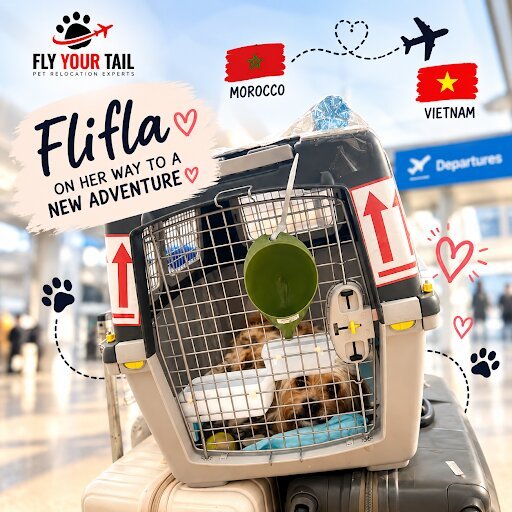
If you’ve been following pet relocation groups or forums, you’ve probably noticed how much discussion there has been about IATA-compliant kennels. Ventilation holes, metal bolts, door locks, kennel dimensions, wooden crates. Everyone seems to have an opinion!
IATA has announced updates to its Live Animals Regulations for the 2027 edition, including changes involving container requirements and airline-specific variations.
This is important because just buying a kennel advertised as “IATA approved” doesn’t guarantee an airline will accept it. In fact, IATA doesn’t approve or certify individual kennel brands or models. The kennel has to meet the applicable requirements for the animal and journey, and airlines can impose additional conditions.
A kennel that worked perfectly well on one airline might not be accepted by another. And if you’re travelling with a brachycephalic dog, a giant breed or an animal requiring a specially constructed kennel, the details become even more important.
My advice? Please don’t spend hundreds of euros on a travel kennel before confirming that it’s suitable for your pet and the airline you intend to use.
We’ve written a separate article explaining the IATA kennel requirements in much more detail, because this subject really deserves its own discussion.
6. United Kingdom: More Attention to Pet Travel Documentation
The UK has also updated its guidance for transport carriers checking pets entering Great Britain. The October 2026 guidance puts attention on things like documentation, compliance and identifying movements that may not qualify under the non-commercial pet travel rules. This is particularly relevant when pets are travelling separately from their owners.
And if you’ve ever relocated a pet to the UK, you’ll know that the transport arrangements can already be quite specific. Approved routes, authorised carriers, veterinary documents, customs procedures, tapeworm treatment for dogs where applicable. There’s quite a lot to coordinate.
One thing I always explain to clients is that an airline agreeing to transport your pet doesn’t automatically mean your pet meets all the destination’s import requirements. Those are two different things. And both need to be checked.
Official information: UK Government – Pet Travel Checks
7. Vietnam: Keeping Up With Quarantine Regulations
And of course, I couldn’t write this article without mentioning Vietnam.
Since we’re based in Hanoi and handle a lot of relocations involving Vietnam, Vietnamese veterinary quarantine regulations are something we deal with constantly.
In June 2026, Vietnam published a consolidated version of its terrestrial animal quarantine regulations. This doesn’t necessarily mean all the requirements suddenly changed, but it’s an important legal reference for the current procedures.
One thing I wish more people understood is that exporting a pet from Vietnam isn’t the same process for every destination. Moving your dog from Hanoi to France is completely different from moving the same dog to Australia, South Africa or the Philippines. And sometimes the destination country requires documents or tests that need to be organised months before departure.
So even if your dog has a microchip, rabies vaccination and a pet passport, that doesn’t necessarily mean it’s ready to travel internationally.
Official information: Vietnam Government – Quarantine Regulations
So, What Does All This Mean if You’re Moving With a Pet?
Well… it means I’m going to keep repeating the same advice I’ve been giving people for years.
START EARLY!
Seriously.
I often receive messages saying something like:
“Hi Julia! We’re moving to Australia next month with our dog. Can you help?”
And my first thought is usually:
“Oh dear… let’s see what we’re working with.”
Sometimes everything is already in order and we can arrange the relocation without too much trouble. Other times, the pet needs a blood test, a waiting period, a permit or a veterinary procedure that should have been started months earlier.
And unfortunately, there are some things that money simply cannot speed up. If a country requires a six-month preparation period, there’s no VIP service that magically turns it into two weeks. Believe me, if there were, my job would be considerably easier.
Another Thing: Regulations Can Change While You’re Planning
This is something that makes international pet relocation particularly interesting.
You might start planning a relocation in January for a move in September. Everything looks fine. Then, in May, the destination country updates its veterinary certificate. Or an airline changes its breed restrictions. Or a new blood test becomes mandatory. Or the airline you were planning to use stops accepting pets on that particular route. And suddenly we need to adjust the plan.
This is why coordinating an international pet relocation involves a lot more than just booking a flight. We have to keep checking the requirements, communicate with airlines and veterinary authorities, and make sure the documentation will actually be accepted when the pet arrives.
It’s also why I always tell people that a relocation plan needs to be based on the regulations applicable to their particular journey, not just something they found in an old Facebook post.
A Few Questions People Often Ask Me
How early should I start planning my pet’s relocation?
It really depends on where you’re going. For some destinations, a couple of months may be enough if your pet already meets the veterinary requirements. For others, you may need six months or more. If you’re unsure, ask early. Even if you don’t know your exact moving date yet.
Does my dog need a rabies blood test to travel internationally?
Not always! Some countries require rabies antibody testing, while others don’t. It depends on the destination, the country your pet is travelling from and the applicable import rules.
Can my pet fly separately from me?
Yes, in many cases. We arrange manifested cargo relocations regularly. But the documentation and import procedure may be different depending on the destination and circumstances.
Can I use the same travel kennel I used last time?
Possibly! But please check before assuming it’s still acceptable. Airline requirements can change, and different carriers may have different restrictions.
What if the rules change after I’ve already started preparing?
Then we review the new requirements and see what needs to be adjusted. Sometimes it’s just a new document. Other times, unfortunately, it can affect the travel date.
Planning to Move Abroad With Your Pet in 2027?
If you’re planning an international move next year, please don’t wait until you’ve booked your own flight to start thinking about your dog or cat. You don’t even need to have a confirmed moving date to contact us.
Tell me where you’re moving from, where you’re moving to, what pet you have and roughly when you’re planning to travel. Sometimes I’ll tell you that there’s nothing urgent to do yet. And sometimes I’ll tell you that we need to start preparing right away. Either way, it’s much better to know in advance.
At Fly Your Tail, we organise international pet relocations from Vietnam to the rest of the world, into Vietnam and between other countries. We handle everything from veterinary documentation and airline bookings to manifested cargo, travel kennels, customs, quarantine and those particularly complicated cases that nobody seems to know what to do with.
And yes, keeping up with all these constantly changing regulations is part of the job. So you can concentrate on organising your move, and we’ll concentrate on organising your pet’s.