


Australia has some of the strictest pet import requirements in the world. Fly Your Tail coordinates the veterinary preparation, documentation, import procedures, flight arrangements, quarantine and arrival process needed to move your pet to Australia.
Every pet relocation is different. Choose the level of support that makes sense for your journey.
We review your pet’s journey and help you understand the steps involved before travel.
We help coordinate the veterinary appointments, treatments, tests and documentation required for the journey.
We help organise and review the paperwork required for your pet’s relocation.
We help identify suitable travel options and coordinate the different stages of the journey.
Australia’s quarantine process is an important part of many pet relocations. We help you understand what to expect and coordinate the relevant arrangements.
From airport arrival through to onward transportation, we can help coordinate the final stage of your pet’s journey.
Australia is one of the relocations where I always recommend starting early. The veterinary steps need to happen in the correct order, and a mistake at the beginning can affect the travel date months later.
Before making any booking, I review the pet’s origin, microchip and vaccination history, rabies preparation, required tests, import documentation and proposed travel date. From there, I build the relocation timeline around the official requirements.
The exact requirements depend on your pet and country of export. We’ll help you understand what applies to your journey.
Requirements vary according to the country of export, species, vaccination history and current Australian biosecurity regulations. Fly Your Tail verifies the current requirements for each individual relocation before travel.
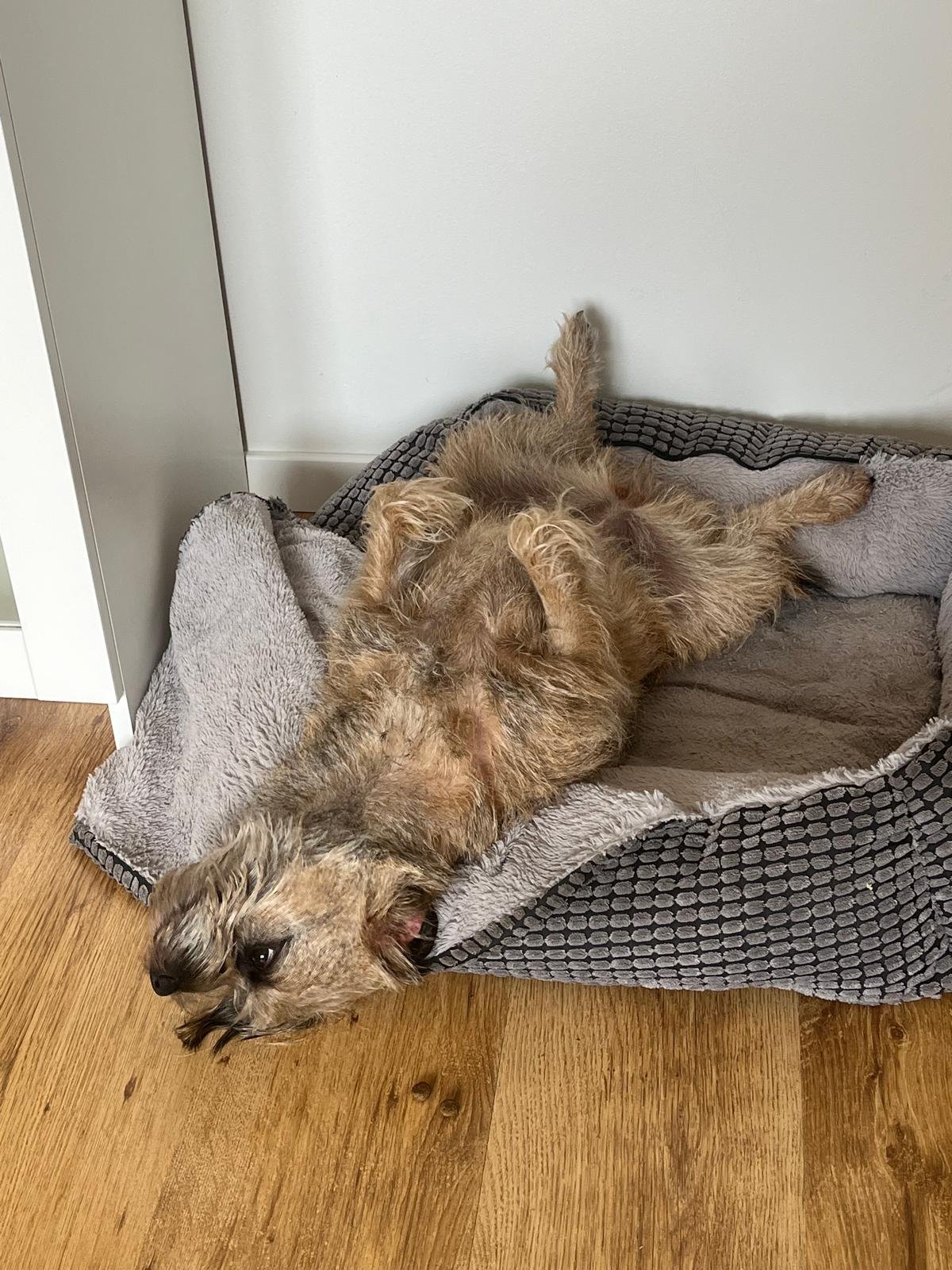
Julia was absolutely incredible and instrumental in helping us get our little border terrier, Reyna, from Tallinn to Cape Town. We had many hurdles and panic attacks along the way, but she handled these with such grace and efficiency. She was with us each step of the way and when she says 24/7, she means 24/7. We couldn’t have asked for a better service provider and I can’t recommend her enough. She treats your pet relocation as if it were her own, and doesn’t rest until your pet is safe and sound with you. Thank you so much Fly Your Tail!
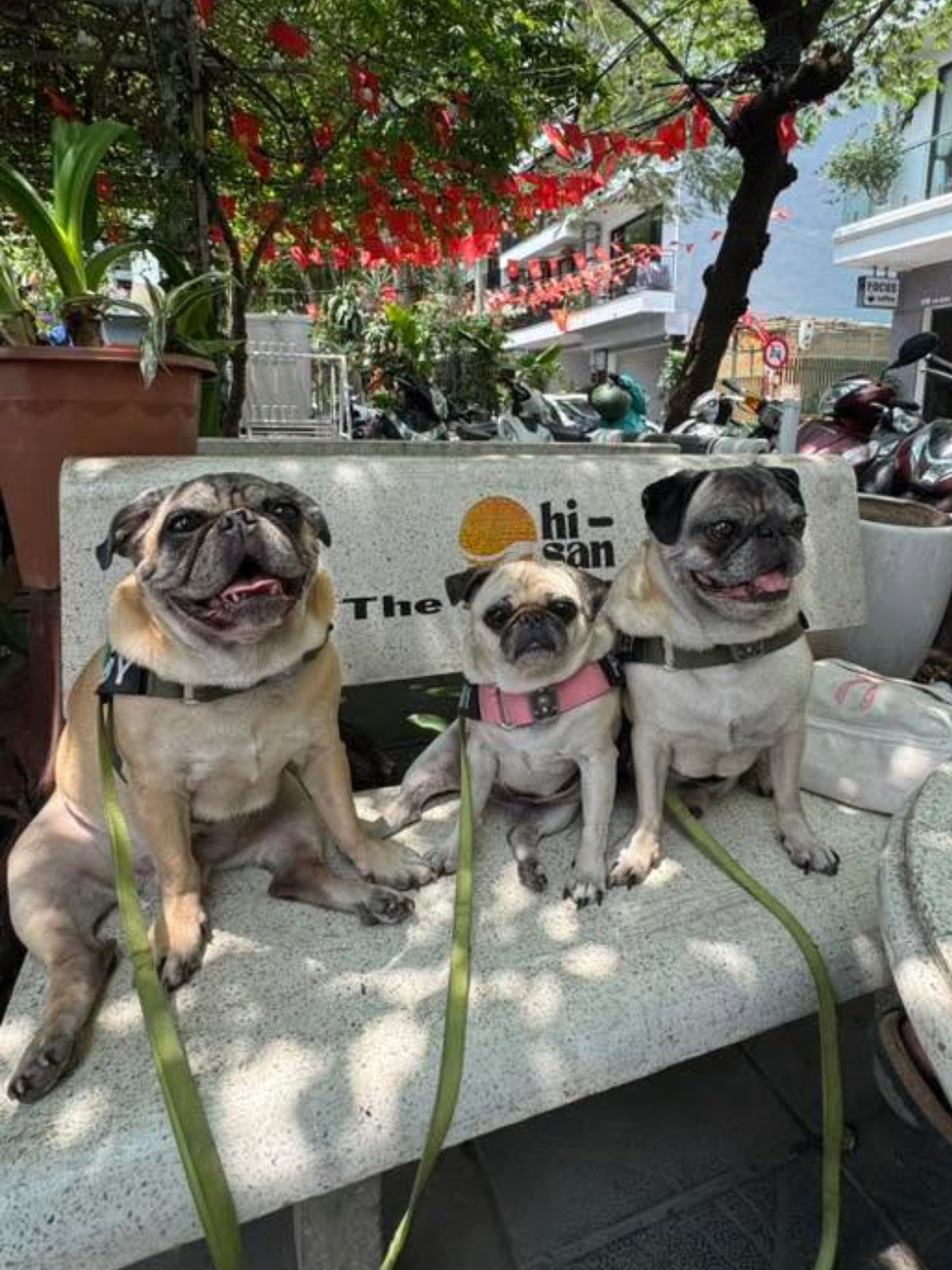
We moved from California to Vietnam with our three pugs and initially thought it might be impossible because so many airlines would not accept short-nosed breeds. Fly Your Tail changed everything. Julia handled the entire process, stayed in constant communication, and made the paperwork and import process feel surprisingly smooth. Our pugs travelled LAX → Istanbul → Hanoi as live cargo, with a carefully planned long layover and larger crates for comfort. Everything cost exactly what we were quoted, and the process was essentially turnkey. The best part was that all three pugs arrived alert, energetic and healthy. If Julia had not been an option, we would have postponed or cancelled our move. For anyone relocating a brachycephalic breed, I would absolutely recommend Fly Your Tail.

We moved from Vietnam to China with our dog and cat, and choosing Fly Your Tail was a great decision. Julia guided us from the beginning, stayed in regular contact during a three-month delay, and clearly explained every step when it was finally time to move. She sent photos throughout the process, which gave us a lot of peace of mind, and even followed up after arrival to make sure both pets were doing well. It is rare to find a company this dedicated and genuinely caring. We would not hesitate to use Fly Your Tail again.
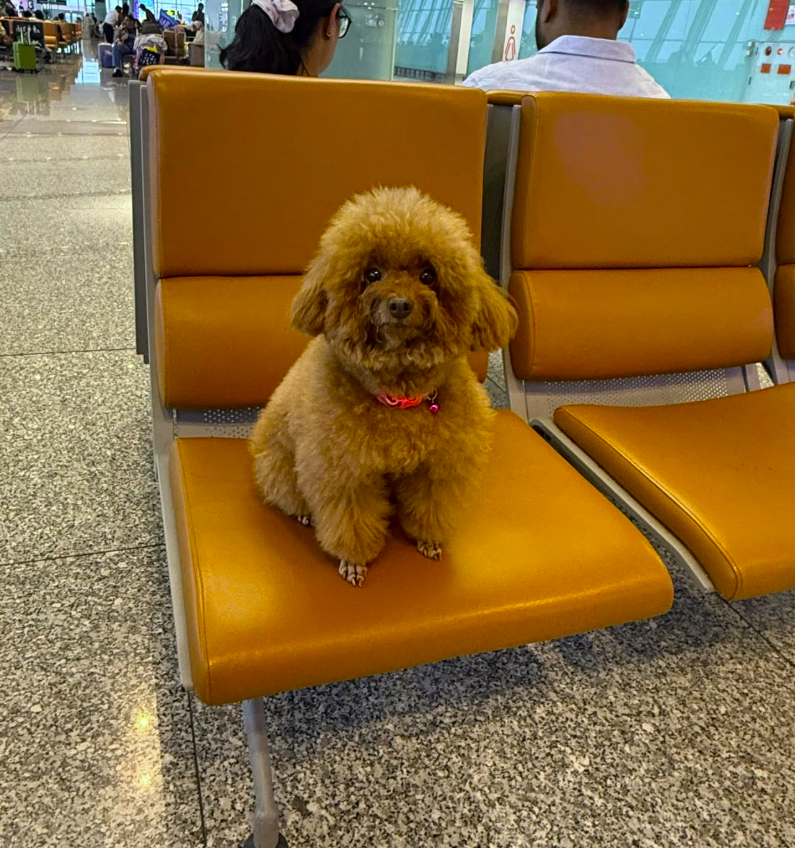
Fly Your Tail helped me relocate my poodle from Hanoi to Delhi in cabin with Vietnam Airlines. Julia guided me through the booking process, required documents, Vietnam export permit and India import permit. When I had to postpone my flight at the last minute, she handled everything calmly and helped reissue the documents without any problem. On travel day, everything went smoothly, and the clearance process in Delhi was already coordinated in advance. Very reliable service, and I would definitely recommend Fly Your Tail for international pet relocation.
Yes, most dogs and cats imported into Australia must complete post-entry quarantine at the Australian Government facility in Mickleham, Victoria. The minimum stay depends on the import pathway and whether certain identity-verification requirements were completed before the rabies titre test.
It depends on the country your pet is exported from. Dogs and cats coming from Group 3 approved countries generally require a valid Rabies Neutralising Antibody Titre Test (RNATT), together with continuous rabies vaccination and the applicable waiting period. Pets from other approved country groups follow different requirements.
For most international routes, I recommend allowing at least six months. Australia’s Department of Agriculture also advises allowing at least six months for many import pathways because vaccinations, blood testing, waiting periods, permits and final veterinary preparation must happen in the correct sequence.
Yes, cats can be imported into Australia if they are eligible under Australia’s biosecurity rules and complete the applicable veterinary, documentation and quarantine requirements. The country of export must also be an approved country for Australian pet imports.
Yes. Pets travelling to Australia are normally handled through an international pet transport and cargo process, so the owner does not necessarily need to travel on the same aircraft. However, the import paperwork, importer details and any applicable ownership or residency requirements still need to be correctly prepared for the individual case.
For a standard international pet import, you should not plan on your dog arriving in Australia as a normal cabin pet. International pet imports are generally organised through approved air-transport arrangements and the applicable biosecurity process. I assess the available airline and routing options individually before confirming a travel plan.
The correct kennel is based primarily on your dog’s body measurements, proportions, breed and airline requirements, not just weight. Your dog must be able to stand naturally, turn around and lie comfortably. The kennel must also meet the applicable airline requirements, and the airline makes the final decision on acceptance.
Potentially, but these cases need much more careful planning. Airlines may restrict breeds such as French Bulldogs, Pugs and English Bulldogs because of their increased respiratory risk, and restrictions can depend on the airline, aircraft, route and season. I assess these relocations individually and will only recommend a route I consider realistically suitable for the pet.
There is no single fixed price. The final cost depends on the country of origin, pet and kennel size, airline route, veterinary testing, import permits, quarantine, export documentation, airport handling and any ground transport required. Australia also charges government fees for import permits and post-entry quarantine.
After arrival, your pet goes through the required Australian biosecurity process and is transferred to the post-entry quarantine facility in Mickleham, Victoria where applicable. Officials check the documentation and monitor the pet during quarantine. Once all requirements have been completed and the pet is released, collection or onward delivery can be arranged.
I would also add one more FAQ because it is a major search and conversion question:
No. Australia only permits dogs and cats to be imported through approved country pathways. If your pet is living in a country that is not approved for direct export to Australia, the pet may need to relocate to an approved country and complete the required preparation there before becoming eligible for export to Australia.
And one particularly useful Australia-specific FAQ:
For pets travelling from applicable Group 3 countries, there is a mandatory 180-day period associated with the rabies antibody testing process. The pet must remain in an approved country during this period. It is a pre-export residency requirement, not 180 days of quarantine.